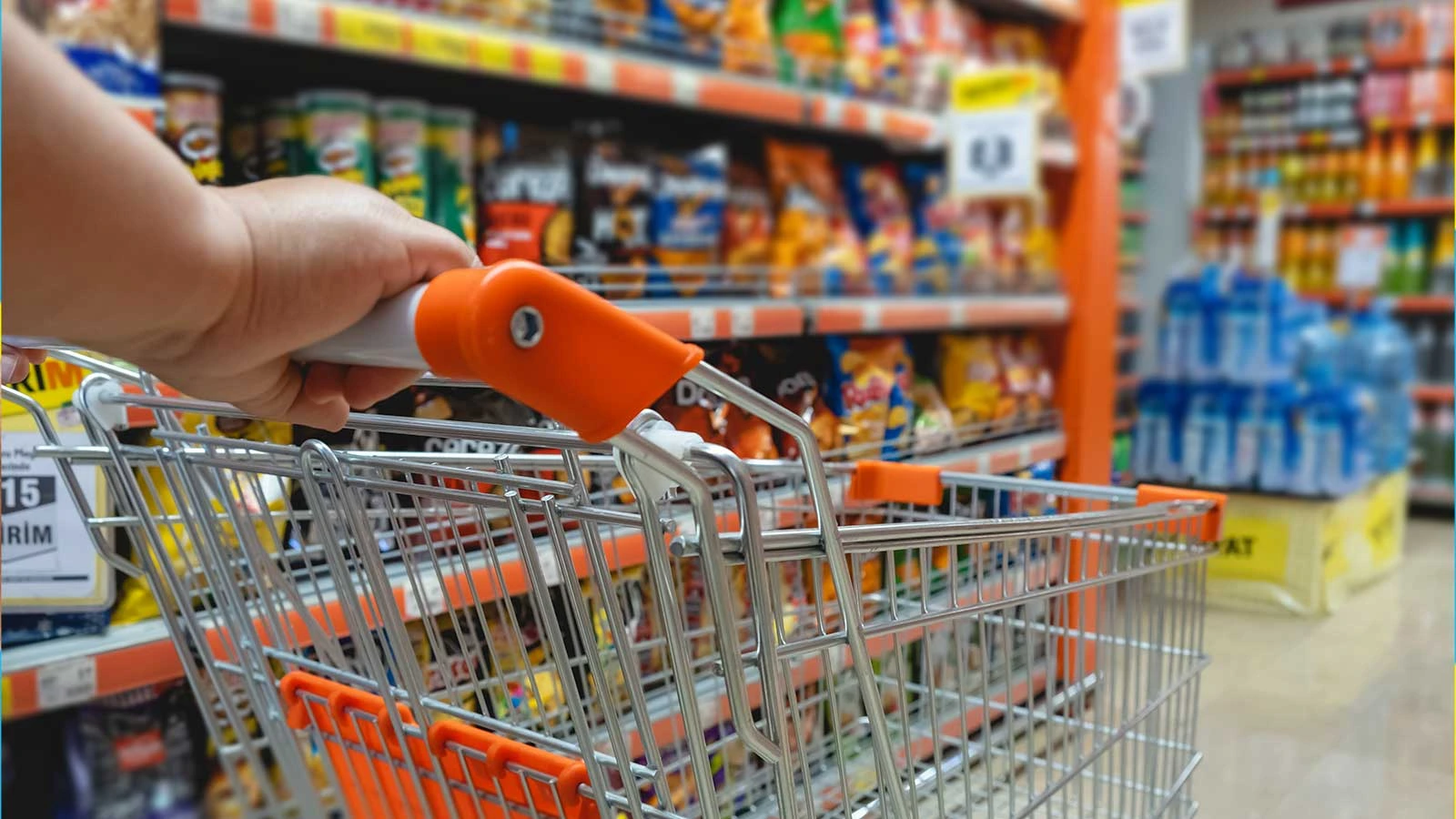
Sri Lanka’s retail landscape is undergoing a transformative phase in 2025/26, with modern supermarkets and branded outlets rapidly expanding beyond traditional urban centers into suburban and semi-urban areas. This proliferation reflects recovering consumer confidence, rising disposable incomes, and a shift toward organized retail formats offering convenience, variety, and quality assurance. As economic stabilization takes hold, supermarkets once concentrated in major cities are now a common sight in growing neighborhoods, catering to evolving lifestyles and supporting broader FMCG distribution.
Recent developments underscore this momentum, with diversified conglomerates announcing ambitious plans to establish large-scale supermarket networks targeting both urban hubs and suburban localities. This expansion is reshaping shopping habits, enhancing access to diverse products, and contributing to job creation across the retail value chain.
Also in Explained | Sri Lanka’s FMCG Market Shows Steady Growth in 2025/26: Driven by Digital Adoption and Economic Stability
Drivers of Retail Expansion
Several factors are fueling the growth of modern retail outlets in Sri Lanka.
Economic recovery has played a pivotal role, with low inflation and improved real incomes encouraging spending on non-essentials alongside daily goods. Stable macroeconomic conditions, including easing inflation and a reviving tourism sector, are formalizing mass grocery retail and boosting overall demand.
Urbanization and infrastructure improvements such as better road networks and expressways have made suburban areas more accessible, attracting retail investments. Families in these regions increasingly seek one-stop shopping experiences, driving demand for supermarkets stocked with fresh produce, imported items, and household essentials.
The rise of a middle-class consumer base, influenced by higher employment and remittances, favors branded outlets offering consistent quality and promotional deals. In metropolitan areas, organized retail already accounts for 30-35% of FMCG trade, with penetration growing in surrounding suburbs as chains extend their footprint.
Late 2025 announcements highlight this trend, including plans by major conglomerates to roll out networks of up to 100 outlets in phase one, strategically positioned across key urban and suburban locations. These initiatives aim to build value-driven ecosystems, emphasizing affordability and accessibility for diverse demographics.
Impact on Urban and Suburban Communities
The spread of supermarkets into suburban areas is bringing tangible benefits to local communities.
Residents gain convenient access to a wider product range, including fresh foods, personal care items, and international brands often at competitive prices due to bulk sourcing and efficient supply chains. This reduces the need for long trips to city centers, saving time and transportation costs for households.
Modern outlets introduce enhanced shopping experiences: air-conditioned spaces, organized layouts, loyalty programs, and integrated payment options. Suburban expansions also stimulate local economies by creating employment opportunities in store operations, logistics, and support services.
For small-scale traditional retailers, while competition intensifies, many adapt by focusing on niche offerings like fresh local produce or personalized service. Some integrate with larger chains through supply agreements, fostering coexistence in a hybrid retail model.
In urban settings, the density of branded outlets continues to rise, with malls and standalone stores clustering in high-traffic zones. This concentration supports ancillary businesses like food courts and entertainment, turning retail hubs into lifestyle destinations.
Opportunities for FMCG and Supply Chain Growth
Retail expansion directly bolsters the FMCG sector by providing structured channels for product distribution. Supermarkets prioritize shelf space for high-turnover items, encouraging manufacturers to innovate in packaging, branding, and sustainability to secure placements.
With suburban outreach, demand for locally sourced goods increases, benefiting domestic producers in agriculture and small-scale manufacturing. This aligns with trends toward health-focused and eco-friendly products, as modern outlets dedicate sections to organic, natural, and wellness-oriented ranges.
Investors view the sector favorably, with new entrants signaling confidence in long-term growth. The push into less saturated suburban markets offers first-mover advantages, capturing emerging consumer bases before full competition sets in.
Tourism revival adds another layer, as visitors frequent urban outlets for souvenirs and essentials, indirectly supporting suburban expansions near popular routes.
Challenges Amid Rapid Growth
Despite the positives, challenges persist. Intense competition could pressure margins for existing players, while infrastructure gaps in some suburban areas like power reliability or parking, may slow rollouts.
Traditional kirana stores face adaptation pressures, though many thrive by complementing supermarkets with extended hours or credit facilities.
Sustainability concerns are rising, with calls for eco-friendly practices in new outlets, including energy-efficient designs and reduced plastic use. Recent initiatives introducing ecolabel programs in shopping malls and supermarkets reflect this shift toward greener retail.
Supply chain disruptions, if any, could affect stock availability in newly opened locations, emphasizing the need for robust logistics.
Outlook: A Modernizing Retail Ecosystem
Sri Lanka’s retail expansion into urban and suburban areas in 2025/26 marks a maturing market, transitioning from fragmented traditional trade to organized, consumer-centric formats. With major investments underway including large-scale network launches the sector is poised for sustained growth, supported by demographic shifts and economic tailwinds.
For consumers, this means greater choice and convenience; for businesses, expanded reach and efficiencies; and for the economy, contributions to employment and GDP through vibrant retail activity.
As suburban areas evolve into retail hotspots, the proliferation of supermarkets and branded outlets will likely accelerate, fostering inclusive development. Stakeholders monitoring this space should note the potential for further consolidation and innovation, positioning Sri Lanka’s retail as a key pillar of post-recovery prosperity.
Ongoing infrastructure enhancements and policy support will be crucial to maximizing these gains, ensuring balanced growth across regions.
(Disclaimer: This article is for informational purposes only and draws on publicly reported trends. Market developments are subject to change; consult official sources for updates.)
Also in Explained | Sri Lanka’s FMCG Sector Embraces Health and Sustainability Trends: Fueling Premium Growth in 2025/26