
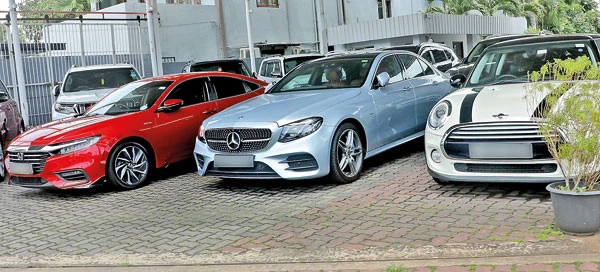
The Sri Lankan vehicle market has undergone a remarkable transformation since the import ban was lifted in February 2025. After years of restrictions, 2025 saw a record-breaking influx of 360,117 vehicles, with imports totaling over US$2.047 billion. Personal vehicles dominated at US$1.607 billion, while commercial ones contributed US$440.5 million. This surge generated substantial government revenue, but as we enter 2026, the landscape is shifting. With imports projected at around US$1.5 billion for the year and early signs of market cooling, many potential buyers are asking: is importing a vehicle still worth the investment amid high taxes and evolving conditions?
January 2026 alone witnessed around 55,000 vehicle registrations, yielding Rs. 3.5 billion in revenue from registrations. However, experts anticipate a slowdown, with tax collections from imports expected to drop to approximately Rs. 550 billion compared to higher figures in 2025. Prices for popular models have begun stabilizing or declining Suzuki hybrids like the Wagon R and Alto now hover around Rs. 7.3 million, down by Rs. 500,000–600,000 from peak 2025 levels. This correction stems from oversupply of unregistered fresh imports and high financing costs pressuring dealers.
Also in Explained | The Sudden Surge of Electric Vehicles in Sri Lanka: Capturing Attention Amid Affordability Concerns
Despite these changes, taxes remain a significant barrier. Sri Lanka’s vehicle import duties continue to multiply costs substantially, often resulting in total landed prices 200-400% above the original CIF value. Budget 2026 introduced adjustments, including a 2.5% Social Security Contribution Levy (SSCL) applied more broadly from April, potentially offsetting some price drops. Tools like online tax calculators from sources such as PiXAMP and CAL help estimate these accurately, factoring in Customs Import Duty (CID), Excise Duty (XID), Luxury Tax, VAT at 18%, and other levies.
Current Market Dynamics – Supply Surge and Price Corrections
The post-ban rush in 2025 created a buyer’s market in many segments by early 2026. Japanese used vehicles, long the favorite, maintain strong demand due to reliability, but competition from Chinese EVs and new Indian cars has diversified options. Unregistered imports face “forced selling” as holding costs rise, leading to better deals on models like Toyota Aqua hybrids, Honda Vezel SUVs, and BYD electrics.
Market observers note that while 2025’s “irrational exuberance” drove prices sky-high for local used stock, fresh imports have balanced this. Used domestic vehicles, once inflated during the ban, now compete with newer arrivals. For budget buyers, Indian brands like Maruti Suzuki offer brand-new compacts at competitive rates after duties.
Electric vehicles continue gaining traction, comprising a notable share of 2025 imports. Concessional duties make certain EVs appealing, with lower running costs amid high fuel prices. However, limited public charging infrastructure mostly urban-focused remains a drawback for long distance users.
Commercial imports, including vans and trucks, support business needs, but personal buyers dominate decisions. With Central Bank projections signaling controlled inflows to protect reserves, sudden shortages seem unlikely, potentially keeping prices stable rather than spiking.
Pros and Cons of Importing in 2026 – A Balanced View on Importing a Vehicle
Importing a vehicle offers clear advantages in the current environment. Increased supply means more choices: modern safety features, better fuel efficiency, and advanced tech unavailable in older local stock. Hybrids and EVs provide long-term savings on fuel and maintenance, crucial in Sri Lanka’s economic recovery phase. For families or professionals, upgrading to a reliable import enhances comfort and status, especially with financing options available despite higher interest rates.
Government revenue from duties supports public services, and phased imports prevent forex shocks seen pre-crisis. Buyers avoiding fraud through verified channels as highlighted in customs digital tools can secure legitimate deals with warranties.
On the downside, taxes dominate costs. Even with price corrections, a mid-range import easily exceeds Rs. 10-15 million post-duties. Budget changes may prevent deeper drops, as broader SSCL application increases importer burdens. Overcommitment risks persist; many 2025 buyers stretched finances based on hype, facing challenges when real ownership costs emerge.
Infrastructure gaps, particularly for EVs, add hesitation. Range anxiety and grid strain deter some, while spare parts for newer Chinese models can delay repairs. Environmental concerns like congestion and emissions also factor in, with calls for better public transport alternatives.
Market saturation risks further corrections if imports hit projections without matching demand, oversupply could devalue resales. Economic uncertainties, including global auction trends for Japanese vehicles, influence final prices.
Also in Explained | Sri Lanka Customs National Imports Tariff Guide 2026
Finally.. Making an Informed Decision in 2026
Whether importing a vehicle is worth it in 2026 depends on individual circumstances. For those needing reliable transport and able to afford upfront costs, the current market offers better value than during the ban or early 2025 peak. Stabilizing prices, diverse options, and potential savings on efficient models make it appealing, especially for hybrids or electrics with concessional rates.
However, high taxes and potential slowdowns suggest caution. Budget-conscious buyers might wait for further corrections or consider local used options appreciating less dramatically. Thorough research using customs valuation databases, verifying documents, and calculating total costs is essential to avoid regrets.
Ultimately, 2026 presents a more mature market than the frenzy of 2025. Informed buyers prioritizing needs over impulse can find worthwhile deals, contributing to personal mobility while supporting economic stability. As Sri Lanka balances consumer access with fiscal prudence, importing remains viable but requires realistic expectations in this high-tax reality.
The evolution from ban to boom to correction underscores resilience in the sector. For many, the answer is yes.. if done wisely.
Also in Explained | Global Sources Dominating Sri Lanka’s Vehicle Imports: Key Countries, Business Networks, and Emerging Risks in 2026