After nearly five years of strict restrictions, Sri Lanka began lifting the vehicle import ban in late 2024 and early 2025. This phased approach reflected cautious economic recovery following the 2022 crisis.
Initial easing came in December 2024, allowing public transport vehicles like buses and trucks via gazette notification. Personal vehicles followed from February 1, 2025, with strict controls to prevent sudden forex drain.
Reasons included stabilizing reserves through IMF support, debt restructuring, and improved remittances/tourism. Government revenue needs also factored, as vehicle duties offer high yields.
Age limits applied: personal vehicles not older than three years, commercial ones up to five. Emissions standards and right-hand drive requirements remained.
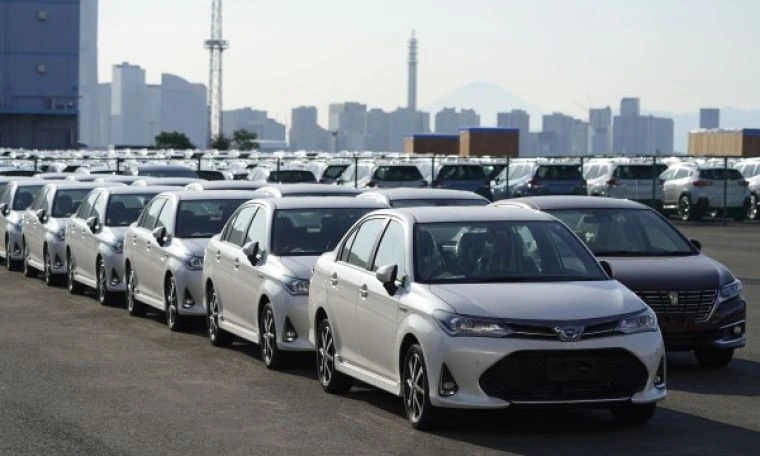
The response was overwhelming. Pent-up demand exploded, with importers opening letters of credit worth hundreds of millions quickly. By mid-2025, actual imports reached around $200 million initially, growing to over $1.2 billion in the first nine months.
Also in Explained | The Evolution of Vehicle Imports in Sri Lanka: A Look Back Before the Economic Crisis
Vehicle Import Tax revenue surged, hitting Rs. 904 billion for 2025 from vehicle duties alone
Current tax structure: Customs duty around 20-30% of CIF (with surcharges), excise duty varying by category (50-300%+, higher for larger engines), VAT at 18%, plus PAL and other levies. Hybrids and electrics often get concessions, but overall costs remain 200-400% above original price.
Market flooded with Japanese used cars, Chinese EVs, and Indian models. Prices for new imports started high due to taxes but offered fresh options versus aged local stock.
Used local vehicle prices began stabilizing or dropping slightly as supply increased. Challenges included port congestion, registration delays (over 250,000 plates pending by early 2026), and financing strains. Public enthusiasm was evident, with queues at showrooms and rapid sales despite costs.
Government emphasized phased opening to monitor impacts. This lifting signaled returning normalcy, boosting consumer confidence and related sectors. It also raised debates on sustainability, with calls for public transport investment. The immediate rush demonstrated enduring vehicle demand in Sri Lanka.
Also in Explained | The Imposition of Sri Lanka’s Vehicle Import Ban: Causes and Consequences During the Economic Crisis