Sri Lanka has taken a strategic step toward regional cooperation in fisheries management with the Cabinet of Ministers approving the signing of a Memorandum of Understanding to establish the Indian Ocean Coastal Alliance. This initiative, focused on sustainable tuna resource management, addresses overfishing risks while aiming to strengthen economic contributions from the sector. Tuna fisheries play a vital role in Sri Lanka’s marine exports, supporting employment and foreign earnings. The alliance opens pathways for businesses through improved resource stability, collaborative opportunities, and access to sustainable practices that can enhance competitiveness in global markets. This analysis explores the sector’s context, the recent decision, implications, business prospects, future potential, and overall importance.
Also in Explained | Sri Lanka’s Rubber and Rubber Products Exports: Navigating Global Opportunities in 2026
Background on Sri Lanka’s Tuna Fisheries Industry
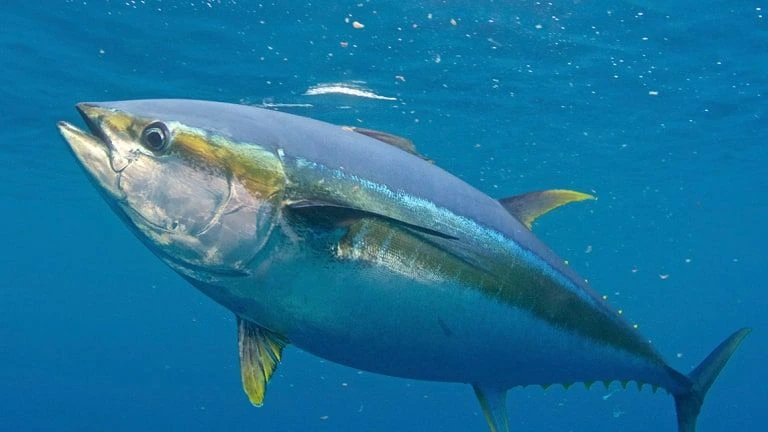
Tuna has long been a cornerstone of Sri Lanka’s fisheries sector, harvested primarily through offshore and deep-sea operations in the Indian Ocean. The industry supports thousands of coastal communities, providing livelihoods for fishermen and workers in processing and export chains. Marine fisheries, dominated by species like yellowfin and skipjack tuna, form the bulk of production, with tuna accounting for a substantial portion of exported fish products.
The sector contributes to national food security and the economy through value-added exports such as canned and frozen tuna. Businesses range from small-scale operators to larger exporters supplying international markets, particularly in Europe and Asia. However, challenges like fluctuating stocks due to environmental factors and regional fishing pressures have highlighted the need for coordinated management to ensure long-term viability.
Key Details, Insights, and Statistics
On January 19, 2026, the Cabinet of Ministers approved the proposal submitted by the Minister of Fisheries, Aquatic and Ocean Resources to sign the Memorandum of Understanding for establishing the Indian Ocean Coastal Alliance. The alliance includes Bangladesh, Indonesia, Iran, Madagascar, Malaysia, Maldives, Mozambique, Pakistan, Somalia, South Africa, and Sri Lanka.
The primary focus is on tuna fisheries, which provide significant economic benefits, employment, and socio-economic stability for coastal populations. The initiative responds to concerns over declining fish populations from overfishing, aiming to promote cooperative management, develop sustainable stocks, upgrade community lifestyles, and maintain resources responsibly.
Tuna represents around 43 percent of Sri Lanka’s total fish exports, underscoring its economic weight. The fisheries sector overall employs over 300,000 people directly, with marine catches forming the majority. Recent production trends show resilience, supported by government efforts to modernize fleets and enforce regulations.
Recent Changes and Implications
This cabinet approval marks a proactive shift toward multilateral engagement in fisheries governance. By joining the alliance, Sri Lanka aligns with regional partners to tackle shared challenges like illegal fishing and stock depletion. The Memorandum of Understanding facilitates information sharing, joint monitoring, and coordinated policies without imposing binding quotas immediately.
Implications include enhanced resource security, reducing risks to supply chains from overexploitation. For the industry, it signals a commitment to sustainability, which is increasingly demanded by global buyers. Short-term adjustments may involve adopting shared guidelines, but these lay the foundation for stable long-term operations. Environmentally, the approach supports stock recovery, benefiting both ecosystems and economic outputs.
Business Perspectives and Opportunities
For businesses in Sri Lanka’s tuna fisheries, the alliance presents practical avenues for growth and resilience. Sustainable management through regional cooperation can stabilize raw material supplies, allowing exporters to plan confidently and invest in expansion. Companies focused on processing and value addition such as, canning or loining facilities stand to gain from consistent high-quality inputs.
Opportunities emerge in technology and knowledge transfer among member countries, enabling adoption of better harvesting methods, traceability systems, and eco-friendly gear. These improvements can qualify products for certifications, opening premium markets where sustainable tuna commands higher prices. Joint initiatives may also facilitate access to shared research on stock assessment, helping businesses optimize operations and reduce waste.
Small and medium enterprises can benefit from community development aspects, such as training programs that build skilled labor pools. Larger firms might explore partnerships with regional counterparts for joint ventures in distribution or branding. Overall, the alliance encourages a shift toward higher-value exports, potentially increasing earnings by 10-15 percent through enhanced market positioning and efficiency gains.
Future Vision and Outlook
The Indian Ocean Coastal Alliance envisions a collaborative framework for sustainable tuna fisheries across member states, with implementation likely starting in the coming years. For Sri Lanka, this could integrate with national plans for fleet modernization and aquaculture diversification, aiming for steady growth in export volumes and values.
As global demand for responsibly sourced seafood rises, alliance members collectively strengthen their voice in international forums, influencing standards favorably. By 2030, coordinated efforts could lead to recovered stocks, supporting expanded production and exports exceeding current levels. Government support through the Ministry of Fisheries will be key in translating the Memorandum into actionable programs, fostering innovation and investment.
Why It Matters
Sri Lanka’s involvement in the Indian Ocean Coastal Alliance matters for securing the tuna industry’s future contributions to the economy, employment, and food supply. It demonstrates a forward-thinking approach to regional challenges, benefiting businesses through stable resources and new opportunities. Sustainable practices not only protect livelihoods in coastal areas but also position Sri Lankan products competitively worldwide.
Ultimately, this initiative reinforces the fisheries sector’s role in national development, promoting inclusive growth and environmental stewardship for lasting prosperity.
Also in Explained | Sri Lanka’s Seafood and Fisheries Products Exports: Unlocking Potential in 2026