Sri Lanka has emerged as a standout destination in international retirement rankings for 2026, particularly excelling in affordability according to reputable sources. The prestigious International Living’s 2026 Global Retirement Index positions Sri Lanka at the top of its most affordable places to live or retire category, ahead of countries like Vietnam, Thailand, Indonesia’s Bali, and Malaysia.
This recognition, highlighted in reports published in early January 2026 and featured in Forbes, underscores the island’s ultra-low cost of living, where a couple can live comfortably or even extravagantly on budgets as low as USD 1,500–2,200 per month. Factors contributing to this ranking include affordable local transportation, accessible healthcare, a tropical climate with diverse landscapes, rich cultural heritage featuring 13 UNESCO sites, and notably easy retirement visa options for those aged 55 and over.
While Sri Lanka may not top overall “best places to retire” lists which often favor European destinations like Portugal for infrastructure and safety, it dominates affordability metrics in Asia and globally among budget-conscious retirees. The retirement visa process remains one of the simplest and cheapest in the region, offering two-year renewable stays with minimal financial proof requirements compared to peers. This accolade comes at a pivotal time for Sri Lanka’s tourism sector, which is rebounding strongly post-economic challenges, aiming for higher-value, longer-stay visitors to boost sustainable revenue.
Also in Explained | Sri Lanka Shatters 2018 Tourism Record with 2.33 Millionth Arrival in 2025
Profile of Expected Retiree Tourists: Who Will Come and Why
If this ranking translates into increased interest as similar past recognitions have for countries like Panama and Ecuador—Sri Lanka can anticipate a surge in long-term expatriate retirees, often referred to as “snowbirds” who split time between home and abroad. These visitors differ markedly from traditional short-stay tourists, staying for months or years rather than weeks, providing steadier economic contributions through rentals, local spending, and services.
Demographically, the primary influx is likely from high-cost Western countries where pensions stretch further in Sri Lanka. Retirees from the United Kingdom, United States, Australia, Canada, and Northern Europe (particularly Germany, France, and Scandinavia) top the list, drawn by English-speaking environments, colonial-era connections (especially with the UK and Commonwealth nations), and direct flight accessibility. Many will be middle- to upper-middle-class pensioners aged 60–75, with stable incomes from government or private pensions, seeking value-for-money lifestyles without sacrificing quality.
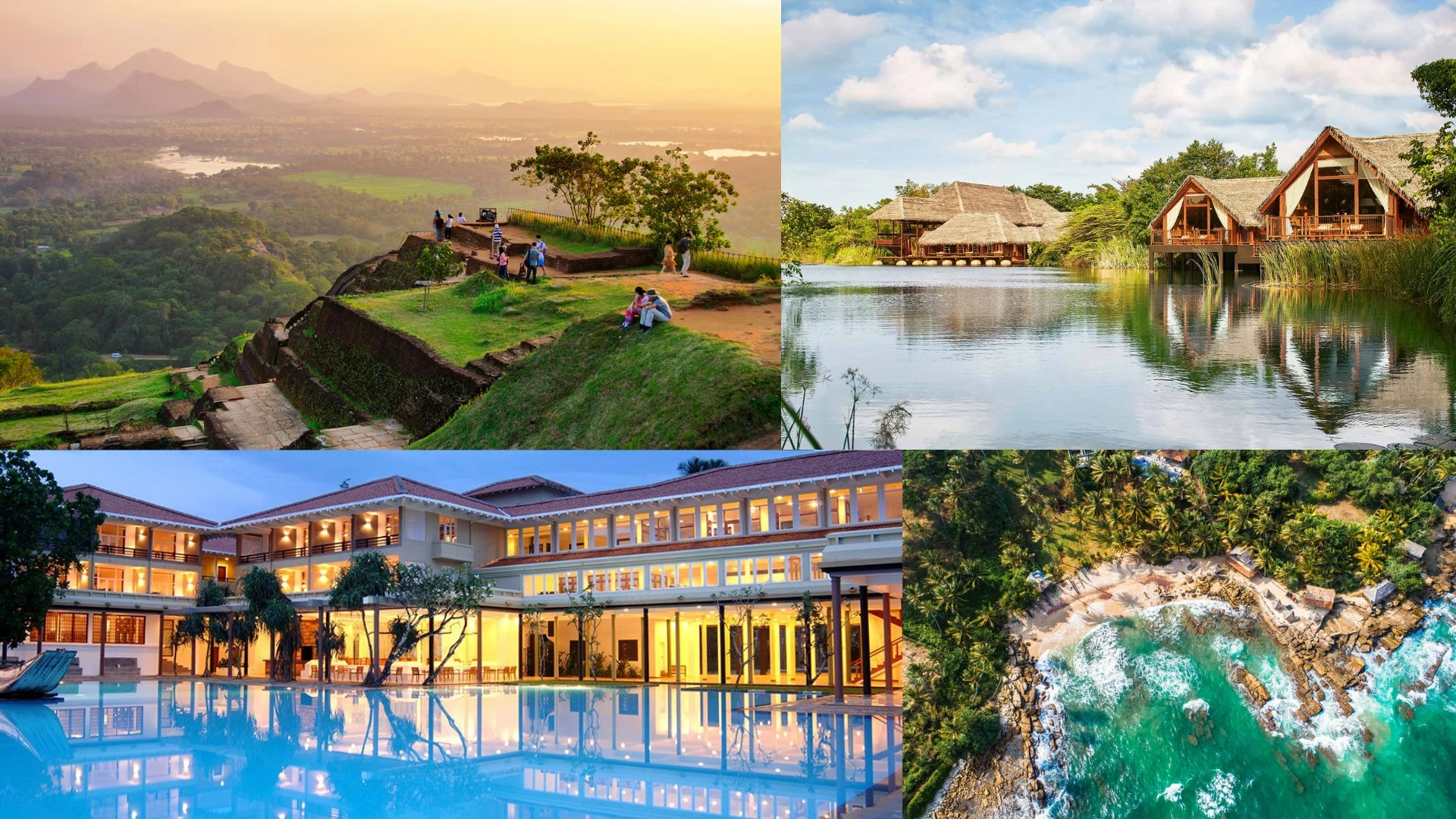
Preferences will lean toward relaxed, nature-oriented living: coastal areas like Galle, Mirissa, and Tangalle for beachfront serenity; hill country destinations such as Kandy, Ella, and Nuwara Eliya for cooler climates and tea plantations; and cultural hubs like Colombo for urban amenities. Wellness and holistic health will be major draws, with interest in Ayurveda treatments, yoga retreats, and organic living. These retirees typically prioritize safety, community, reliable internet for staying connected with family, and access to international-standard healthcare for age-related needs. Unlike backpackers or luxury flash-packers, they are low-impact, community-integrating visitors who shop at local markets, dine out regularly, and engage in volunteer or cultural activities.
This segment represents a shift from mass tourism: longer stays mean higher per-visitor spending on housing and daily life, estimated at 2–3 times that of short-term tourists, while reducing seasonal fluctuations.
Capitalizing on Retiree Influx: Business Strategies and Opportunities
For Sri Lankan businesses, attracting and retaining retiree tourists offers substantial opportunities across multiple sectors, potentially adding millions in annual revenue through sustained economic activity. Unlike transient visitors, retirees contribute to year-round demand, stabilizing jobs in hospitality, real estate, and services.
- Real estate and accommodation stand out as prime areas for growth. Demand will rise for long-term rentals (3–12 months) and purchases of villas or apartments in gated communities tailored for expats. Businesses can develop retirement-specific projects: mid-range coastal condos with amenities like pools, security, and shuttle services, or eco-friendly hill retreats. Foreign ownership restrictions remain, but leasehold models (up to 99 years) and partnerships with local developers can facilitate this. Targeted marketing via International Living forums, retirement expos in the UK/Australia, and online platforms like Expat Exchange will be key.
- Healthcare and wellness tourism present another lucrative avenue. Retirees often seek affordable, high-quality medical services, dental, elective procedures, or ongoing care. Expanding private hospitals in tourist areas with English-speaking staff, international insurance tie-ups, and specialized geriatric facilities could position Sri Lanka as a medical retirement hub, similar to Thailand. Integrating traditional Ayurveda with modern wellness; spas, detox programs, and meditation centers aligns perfectly with this demographic’s interests, boosting ancillary businesses like organic farms and herbal product suppliers.
- Hospitality operators should adapt by offering “retiree-friendly” packages: boutique hotels converting to serviced apartments, homestays in cultural villages, or co-living spaces for social interaction. Restaurants and cafes can thrive by focusing on healthy, international cuisines with local twists, while transport services; private drivers, app-based rides in rural areas address mobility needs.
To maximize these opportunities, businesses must invest in targeted improvements:
- Digital marketing – Partner with influencers in retirement communities and advertise on platforms frequented by over-55s.
- Infrastructure enhancements – Advocate for better broadband in regional areas, expat-friendly banking, and English signage.
- Sustainability – Emphasize eco-practices to appeal to environmentally conscious retirees.
- Community building – Support expat clubs or events to foster belonging and word-of-mouth referrals.
Public-private collaboration is essential: streamlining visa processes further (perhaps introducing a dedicated “retirement residency” program with income thresholds) and promoting Sri Lanka at global retirement fairs.
Challenges and Recommendations for Sustainable Growth
While promising, challenges exist. Infrastructure gaps, unreliable power in some areas, traffic congestion, and waste management could deter discerning retirees. Healthcare, though affordable, varies in quality outside Colombo. Businesses must prioritize ethical practices: transparent pricing, cultural sensitivity training for staff, and avoiding over-development that strains resources.
Recommendations include forming industry associations for retiree tourism, offering training in expat services, and conducting market research via tourist boards. Government incentives tax breaks for retirement-focused investments could accelerate growth.
In conclusion, Sri Lanka’s 2026 affordability crown in retirement rankings signals a transformative opportunity for the tourism and related sectors. By anticipating affluent, long-stay retirees from Western markets and tailoring offerings in real estate, wellness, healthcare, and hospitality, businesses can capture a resilient, high-value segment. This shift toward sustainable, year-round tourism not only diversifies revenue but also supports local economies in coastal and hill regions. With strategic planning, Sri Lanka can convert this ranking into lasting economic gains, establishing itself as Asia’s premier affordable retirement paradise.
Also in Explained | Sri Lanka’s Apparel Industry: Building Stronger Growth in 2026 with New Trade Advantages