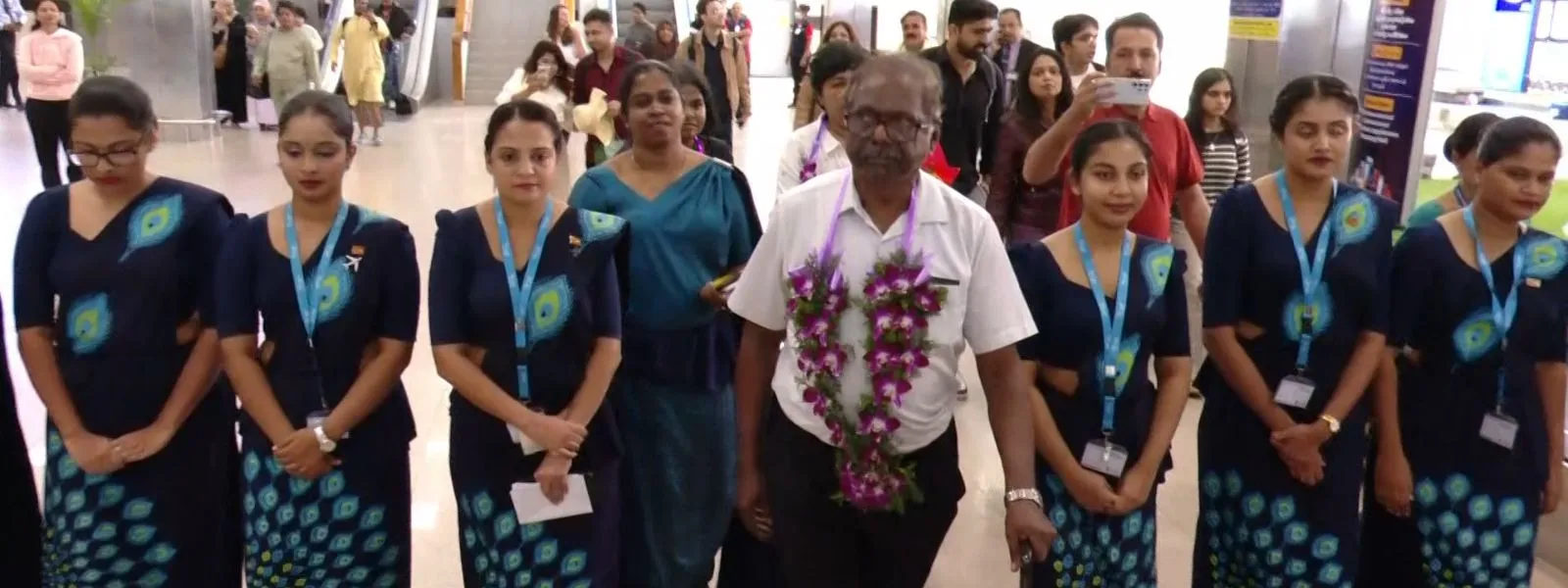
History unfolded at Bandaranaike International Airport today as Sri Lanka Tourism welcomed a family from Thiruvananthapuram, India, marking the arrival of the 2,333,797th visitor for the year. This milestone officially surpasses the all-time high of 2,333,796 tourists set in 2018, capping a remarkable recovery for the sector amid post-crisis challenges.
According to the Sri Lanka Tourism Development Authority (SLTDA), this achievement highlights the industry’s resilience and strategic growth in 2025, with arrivals far exceeding the 2,053,465 recorded in 2024. As Sri Lanka tourist arrivals 2025 cross into record territory, the influx promises substantial foreign exchange earnings and economic momentum heading into 2026.
Also in Explained | Moldova-Sri Lanka Charter Flights to Boost Winter Tourism with 1,500 Visitors
Breaking the Long-Standing Benchmark
The 2018 record had stood as a pre-disruption peak, before events like the Easter attacks and the global pandemic derailed progress. In contrast, 2025’s performance driven by a strong winter season saw 195,394 arrivals in the first 25 days of December alone, culminating in today’s celebratory welcome.
The symbolic 2.33 millionth visitors, a family arriving from India, were greeted with traditional honors, underscoring India’s role as the top source market. With daily arrivals maintaining high momentum, year-end projections now point to 2.35-2.4 million total visitors, generating over US$3.4 billion in revenue a critical boost for Sri Lanka foreign exchange reserves.
Top Markets Powering the Record Year
India leads the charge with over 520,000 arrivals year-to-date, benefiting from proximity, cultural ties, and frequent flights. The family’s origin in Thiruvananthapuram exemplifies this enduring connection, with nearly 23% of December visitors hailing from India.
European markets have been pivotal in the winter surge:
- Russia, the UK, Germany, and France contribute significant volumes through charter programs
- Emerging routes from Poland, Moldova, and other Eastern European hubs have added diversity and volume
Contributions from Australia, China, and the US further broaden the base, helping the sector weather external factors like early-month weather disruptions. This market diversification has been key to achieving and surpassing the 2018 milestone.
Economic and Business Impacts of the Milestone
This record-breaking year translates into a boon for Sri Lanka’s private sector. Hotels across coastal, cultural, and upcountry regions report peak-season occupancies exceeding 90%, with premium segments seeing rate hikes of 15-20%.
Small and medium enterprises (SMEs) in the tourism value chain are reaping direct benefits:
- Increased demand for guided tours, safaris, and experiential activities
- Higher footfall in restaurants, wellness centers, and retail outlets
- Surge in domestic transport needs, from tuk-tuks to chartered flights
The sector, employing over 400,000 directly and indirectly, gains stability through this influx, supporting job retention and creation during a high-demand period. As tourism revenue Sri Lanka 2025 climbs, it strengthens supply chains for local produce, handicrafts, and services, fostering inclusive growth.
For investors, the milestone signals renewed confidence. Hospitality developments including eco-resorts and boutique hotels are attracting fresh capital, with projections for expanded infrastructure at secondary gateways like Mattala Rajapaksa International Airport.
Strategies Behind the Success
Sri Lanka Tourism’s multifaceted approach has been instrumental. Aggressive marketing campaigns, including digital outreach and international roadshows, have repositioned the island as a safe, diverse destination. Simplified visa processes, such as the ETA system, have facilitated seamless entries.
Charter flights from non-traditional markets have delivered targeted boosts, ensuring consistent arrivals during peak windows. Today’s record arrival via a scheduled flight from India highlights the blend of regular and special connectivity driving numbers.
Sustainability initiatives, emphasizing eco-tourism and community engagement, resonate with global travelers, particularly from Europe, enhancing long-term appeal.
Broader Economic Significance
Tourism’s share in GDP approaches 5-6% for 2025, providing essential hard currency amid IMF-backed reforms. The record earnings alleviate balance-of-payments pressures, enabling investments in infrastructure, education, and digital transformation.
Multiplier effects extend benefits: hotel procurements support agriculture, while taxes fund public services. This milestone reduces dependency on remittances and exports, offering fiscal breathing room as the economy stabilizes.
Ongoing Challenges and Future Outlook
Despite the triumph, stakeholders recognize areas for improvement. Enhancing airport capacities, competitive pricing against regional rivals, and climate adaptation remain priorities. Diversifying offerings from wellness retreats to MICE events will sustain growth beyond beach tourism.
Looking to 2026, targets of 2.8-3 million arrivals appear achievable with continued innovation. The industry must prioritize sustainable practices to maintain appeal among environmentally conscious visitors.
A Defining Moment for Sri Lanka’s Business Landscape
Today’s welcome of the 2.33 millionth tourist family marks not just a numerical victory but a testament to collective resilience. For businesses, it affirms robust demand, encouraging expansions, partnerships, and tech integrations like AI-driven personalization.
As Sri Lanka tourism 2025 concludes on this high, it sets an optimistic tone for the future. The sector’s ability to surpass pre-crisis highs demonstrates adaptability and potential, positioning Sri Lanka as a dynamic player in global tourism ready to welcome even more milestones ahead.
This record-shattering achievement inspires confidence, proving that with strategic vision, Sri Lanka’s tourism engine can drive enduring prosperity for the nation.
Also in Explained | Sri Lanka Tourism After the Floods: Recovery, Safety, and Southern Resilience