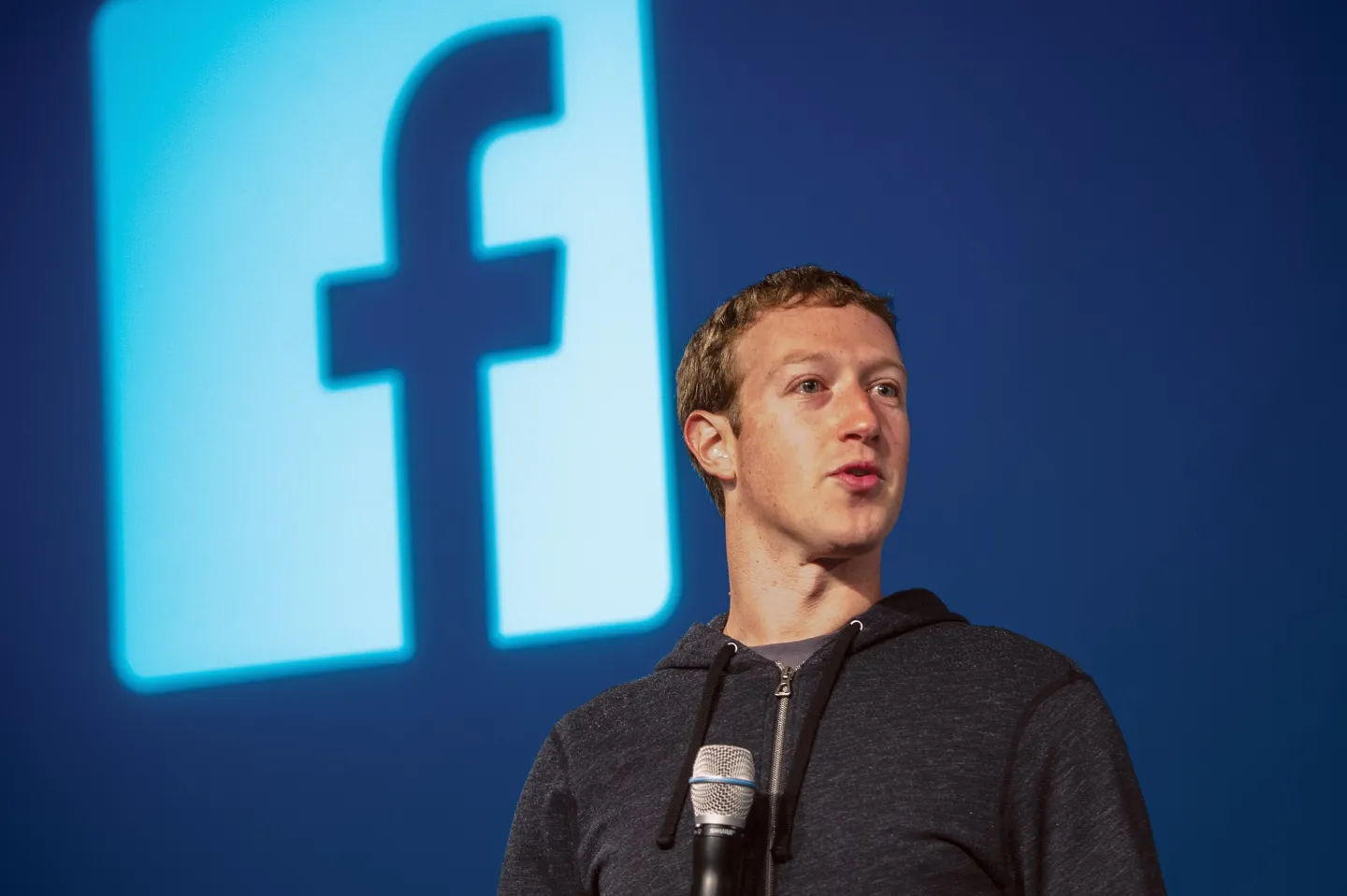
In December 2025, reports from Fortune, Bloomberg, and other outlets confirmed that Meta CEO Mark Zuckerberg is preparing deep cuts to the company’s metaverse division, including layoffs and budget reductions of up to 30%. This marks a dramatic shift for a company that rebranded itself from Facebook to Meta in 2021 to champion virtual reality and the metaverse. After pouring more than $70 billion into Reality Labs since 2021, Meta has failed to achieve mainstream adoption of its flagship metaverse platform, Horizon Worlds. Now, Zuckerberg is pivoting toward AI glasses, wearable devices, and augmented reality technologies that promise clearer consumer demand and commercial potential.

Also in Explained | Jeff Bezos Launches Project Prometheus: A $6.2 Billion Bet on AI-Powered Hardware Revolution
The Rise and Retreat of the Metaverse
When Zuckerberg announced the Facebook rebrand to Meta in October 2021, the metaverse was positioned as the future of human interaction, a digital world where people could work, play, and socialize through avatars. He described it as the “successor to the mobile internet.” Billions were invested in VR headsets, immersive environments, and developer ecosystems. Investment firms called it a trillion‑dollar opportunity, and governments experimented with metaverse diplomacy.
But by late 2025, the hype had collapsed. Reality Labs, Meta’s metaverse division, has racked up losses exceeding $70 billion. Horizon Worlds failed to attract sustained user engagement, VR hardware adoption lagged, and investors grew increasingly skeptical. What was once billed as the future of human interaction became one of the most expensive misadventures in tech.
Investor Confidence and Strategic Pivot
Meta’s retreat is as much about restoring investor confidence as it is about technology. Shareholders had grown uneasy with the scale of losses, and analysts questioned whether the metaverse was a viable long‑term bet. By shifting focus to AI glasses and wearable devices, Meta is signaling a return to consumer‑centric innovation.
This pivot is designed to reassure markets that Meta is not locked into a failing experiment but is agile enough to redirect resources toward technologies with clearer demand. The company’s stock even rose after reports of the cuts, reflecting investor relief that Meta is moving away from a costly misadventure.
The Global Tech Context
Meta’s pivot also reflects broader industry trends. Tech giants are increasingly prioritizing AI integration over VR ecosystems. Apple is investing in AI‑powered wearables, Google is focusing on AI search and productivity tools, and Microsoft is embedding AI into enterprise platforms. The metaverse, once hailed as the future, is now seen as a niche experiment.
For businesses worldwide, this shift matters because investment flows follow industry confidence. Companies that align with AI and practical consumer technologies are more likely to attract funding, partnerships, and market share.
Also in Explained | Gamma App’s Meteoric Rise: $68 Million Raise at $2.1 Billion Valuation Ushers in AI’s Visual Revolution – Insights for Global Tech Innovators
Lessons for Business Leaders
Meta’s experience offers several lessons for global business leaders, including those in emerging economies like Sri Lanka.
Grand visions must be grounded in consumer traction. The metaverse lacked mainstream adoption, turning into a costly gamble. Recovery investments, whether in smart infrastructure, tourism technology, or fintech must balance innovation with proven demand.
Investor confidence depends on agility. Meta’s pivot shows that even giants must adapt quickly when strategies fail. Governments and businesses face a similar challenge: demonstrating to donors and citizens that funds are being used transparently and effectively.
AI wearables represent tangible value. Unlike virtual worlds, AI glasses and augmented reality tools solve real problems in productivity, accessibility, and communication. For Sri Lanka, this means prioritizing technologies that enhance resilience, such as disaster warning apps, mobile banking for relief disbursement, and digital tourism platforms that rebuild trust with visitors.
Risk Management and Resilience
Meta’s losses highlight the importance of risk management. The company poured billions into a vision that lacked consumer traction. The lesson is clear: grand visions must be grounded in practical outcomes.
Resilience is not just about rebuilding what was lost, it is about repositioning for sustainable growth. Meta’s pivot shows that even global giants must adapt to survive. Businesses must do the same, aligning recovery with long‑term competitiveness.
Conclusion: Shared Lessons in Resilience
Meta’s decision to scale back the metaverse is a reminder that grand visions must be grounded in practical outcomes. The company is now pivoting to technologies that deliver tangible consumer benefits, such as AI wearables and augmented reality tools.
For global businesses, the message is equally clear: resilience requires agility, transparency, and a focus on consumer value. In both cases, the future belongs to those who can adapt, rebuild, and deliver outcomes that matter.
Meta’s retreat from the metaverse is not a failure but a pivot. It is a case study in how companies must balance ambition with pragmatism, innovation with demand, and vision with execution.
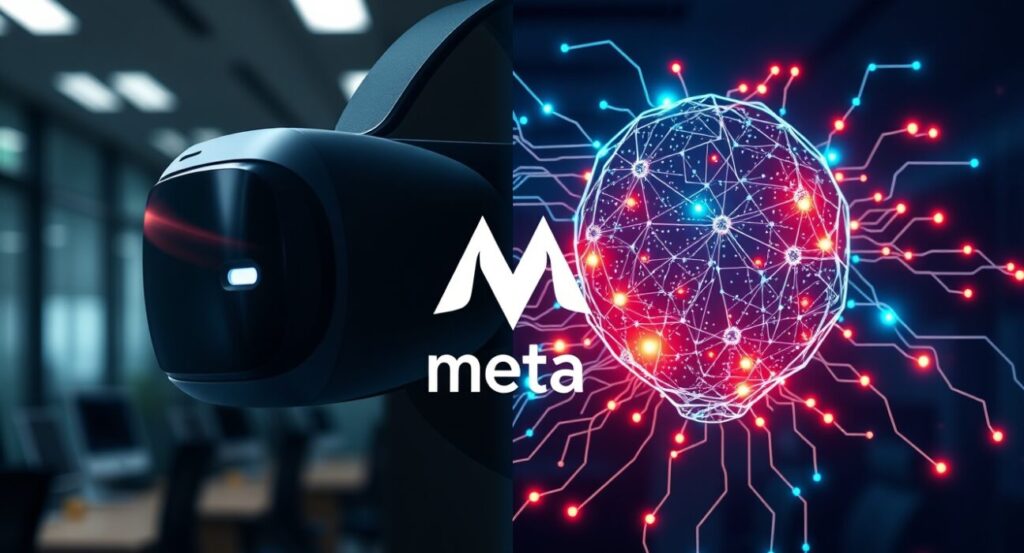

Meta’s Shocking 30% Metaverse Budget Cut Signals Virtual Reality Retreat
Also in Explained | Sri Lanka’s Cyclone Ditwah Response: Infrastructure, Aswesuma & Mahapola Welfare