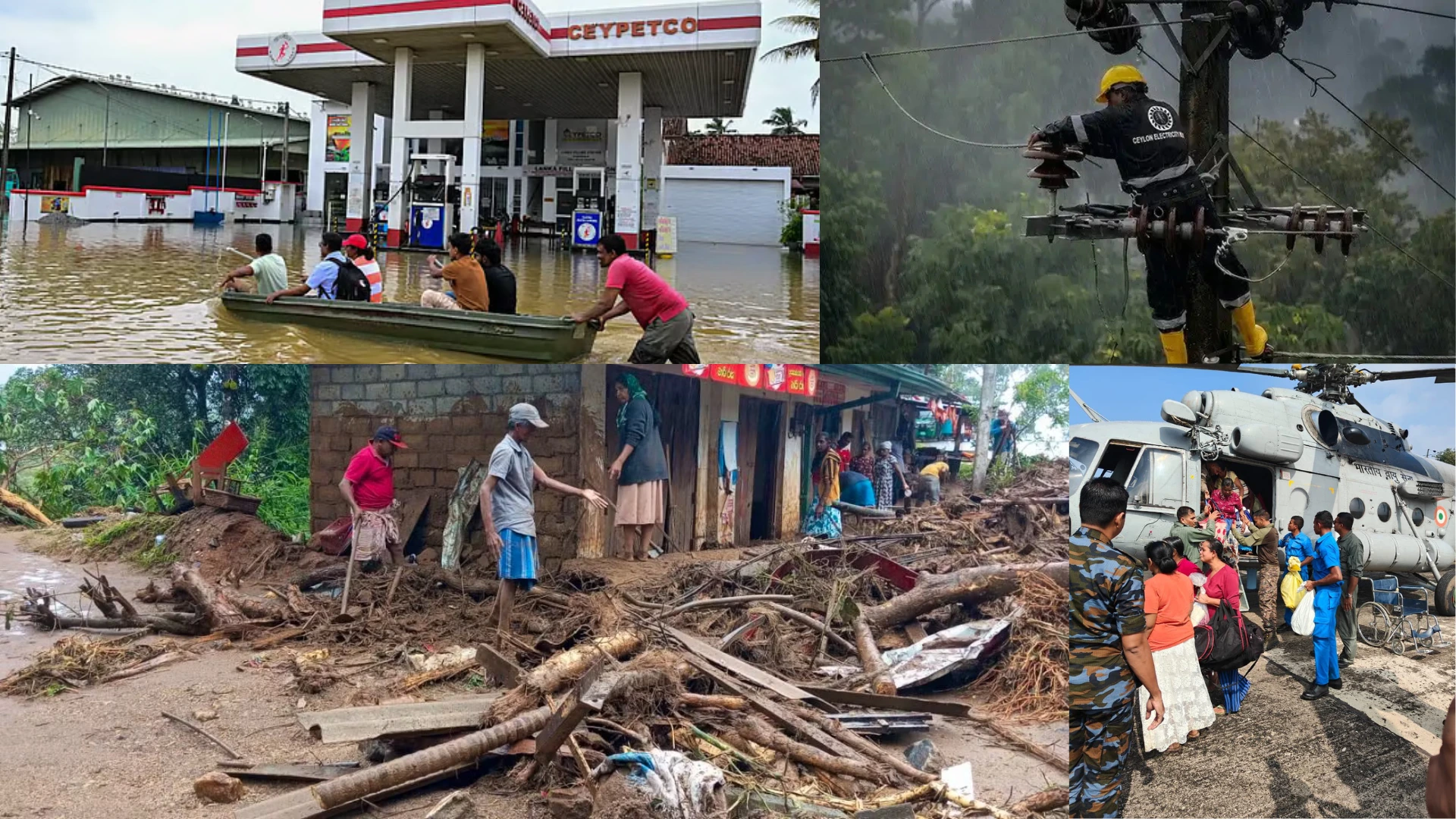
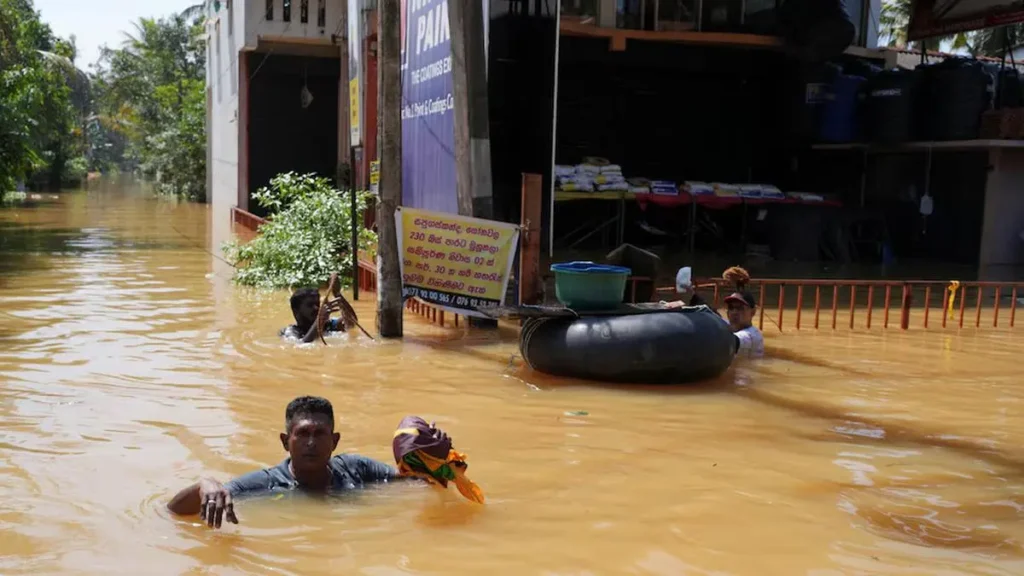
Sri Lanka’s recent cyclone delivered a sharp reminder of how vulnerable our economy remains to climate shocks. Beyond the immediate humanitarian crisis, the storm disrupted supply chains, damaged infrastructure, and destabilised industries that sustain millions of livelihoods. Post-disaster recovery is not simply about repairing what was broken; it is about rebuilding smarter, strengthening resilience, and preparing for the next climate event.
This article examines the economic impact of the cyclone, what recovery efforts must focus on, and how the private sector, government, and development partners can accelerate the nation’s return to stability.
The Economic Shock: What the Cyclone Disrupted
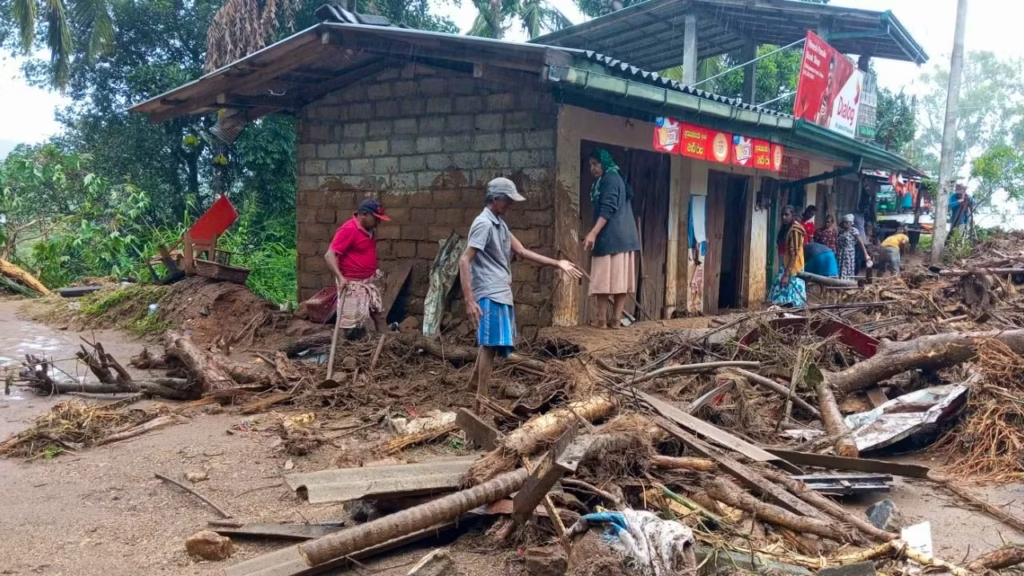
The cyclone affected multiple layers of the economy simultaneously. Coastal communities saw fishing equipment destroyed, farmlands were flooded, and tourism operations disrupted by cancelled travel and damaged facilities. Transport routes were blocked, delaying the movement of goods. For thousands of small businesses, the storm also meant halted operations, inventory loss, and unexpected cash-flow strain.
Sri Lanka’s economy, already pressured by inflation and fiscal constraints, faces additional stress from post-disaster recovery costs. The cyclone demonstrated that economic resilience isn’t just about annual growth rates it’s about the capacity of households, SMEs, and national systems to absorb shocks without collapsing.
Restoring Infrastructure and Supply Chains Quickly
Infrastructure is the backbone of economic activity. Roads, electricity grids, communication networks, and water systems must be restored quickly to prevent prolonged economic paralysis.
Three priorities stand out:
1. Transport and Logistics
Blocked roads and damaged bridges slow down everything from food distribution to emergency services to business restocking. A rapid “clear and restore” strategy ensures markets reopen faster and supply chains restart smoothly.
2. Power and Connectivity
Electricity disruptions hit businesses, factories, and households simultaneously. Restoring power and telecommunications fast helps SMEs get back on their feet and enables digital systems crucial for relief coordination.
3. Local Market Access
Farmers and fishermen depend on predictable access to local markets. Without functioning transport and storage, products perish, income collapses, and inflation spikes in nearby towns. Rebuilding these links quickly prevents regional economic shocks.
Protecting SMEs and Informal Sector Workers
More than 50 percent of Sri Lanka’s workforce operates in the informal or micro-enterprise sector. These groups are the most economically vulnerable during disasters because they lack insurance, formal banking relationships, or safety nets.
To support them, recovery efforts should prioritise:
Emergency Cash Support
Small traders, food vendors, carpenters, and fisherfolk need immediate liquidity to restart operations. Micro-grants or zero-interest loans disbursed quickly without complex paperwork can save thousands of livelihoods.
Inventory and Equipment Replacement
For SMEs, the biggest losses are often:
- Damaged stock
- Broken tools
- Lost machinery
- Destroyed workspaces
Replacing these assets early speeds up local economic reactivation.
Mobile Business Support Units
Temporary mobile units offering registration, banking, and advisory help can bring unregistered or informal workers into formal support systems rapidly.
Stabilising Agriculture and the Fisheries Sector
The cyclone severely hit two critical sectors: agriculture and fisheries.
Agriculture Recovery
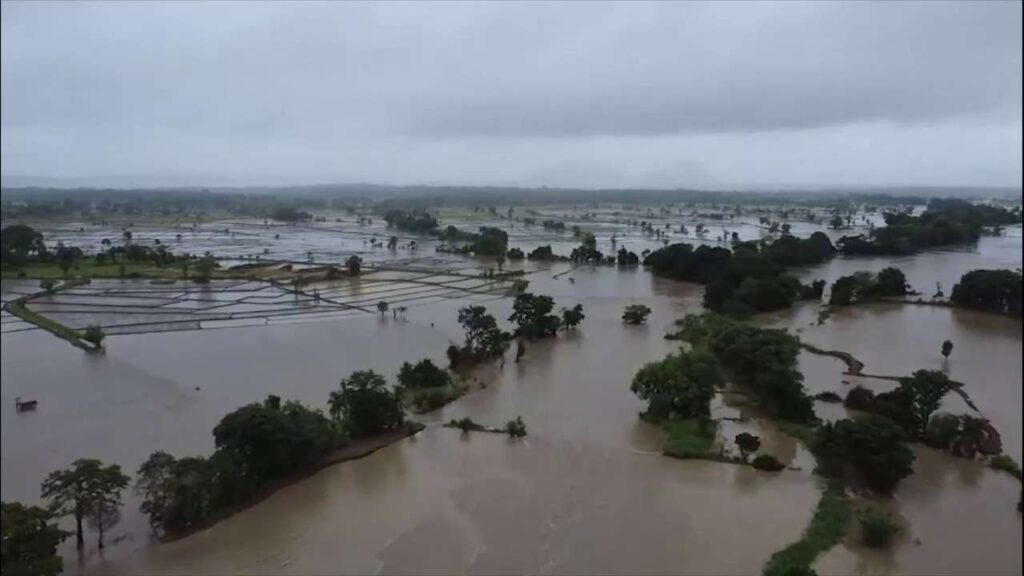
Flooded paddy fields, damaged irrigation systems, and lost seed stocks can lead to months of income loss. To stabilise the sector:
- Provide farmers with seed replacement packages
- Restore small-scale irrigation quickly
- Offer temporary subsidies for essential inputs
- Facilitate guaranteed buying schemes to rebuild confidence
Fisheries Recovery
Many fishing communities lost boats, nets, engines, iceboxes, and beach-side storage huts. The best recovery model is:
- Quick assessment of equipment damage
- Government + private sector repair programmes
- Fuel support for initial trips
- Restoring fish landing sites and cold-chain facilities
These actions return fishers to sea faster, stabilising local food supply and incomes.
Why Supply Chain Redundancy Must Be a Priority
A single cyclone disrupted national distribution networks. This exposed the need for more decentralised systems.
Regional Storage and Warehousing
Creating alternative warehouses in non-vulnerable districts ensures goods can continue to flow even if one region shuts down.
Digital Inventory Mapping
A shared national platform tracking available stock, routes, and distribution gaps can improve relief efficiency during future events.
Resilient Transport Networks
Investing in elevated roads, reinforced bridges, and flood-resistant routes reduces the likelihood of future complete shutdowns.
Strengthening Financial Protection: Insurance and Credit Solutions
One of the biggest weaknesses revealed by the cyclone is the extremely low insurance penetration among households and SMEs.
Micro-Insurance for Vulnerable Workers
Affordable coverage for farmers, fishers, and small traders protects them from total loss whenever a disaster strikes.
SME Disaster Protection Products
Banks and NBFIs can introduce:
- Low-premium disaster insurance
- Rapid-disbursement claim systems
- Mobile app-based verification
Recovery Loans with Grace Periods
Financial institutions should offer short-term working-capital loans with a grace period of 3-6 months. This prevents business closures and allows entrepreneurs to reset operations without immediate repayment pressure.
The Private Sector’s Role in Accelerating Recovery
Corporate Sri Lanka can significantly shorten recovery time.
Logistics and Supply Chain Support
Companies with transport fleets and cold-chain capability can support relief distribution and stabilise food supply.
CSR for Economic Restart
CSR budgets can be redirected toward:
- Repairing village infrastructure
- Donating tools and equipment to SMEs
- Supporting women-led micro-enterprises
- Rebuilding community centres and markets
Digital Solutions
Telecommunications companies can provide:
- Free data packages for affected regions
- Mobile recovery apps for reporting damage
- SMS-based updates for relief schedules
Private sector participation reduces government burden and fast-tracks regional recovery.
National-Level Reforms for Long-Term Resilience
To ensure future disasters don’t trigger major economic losses, Sri Lanka must implement medium- and long-term structural reforms.
A National Climate-Resilient Infrastructure Plan
This should include:
- Elevated roads in flood-prone areas
- Storm-resistant grid systems
- Strengthened coastal defences
- Water management and drainage improvements
A Digital Disaster Data Platform
Centralising information on damaged assets, casualties, economic losses, and recovery progress improves policymaking and enables faster insurance and loan processes.
Strengthening Local Authority Capabilities
Empowering local governments with:
- Dedicated emergency funds
- On-site engineering capacity
- Quick procurement authority
reduces response delays.
Conclusion: A Chance to Rebuild Smarter
The cyclone was a devastating moment but also a turning point. Sri Lanka must use this recovery phase to embed long-term resilience into every economic layer, from SMEs and agriculture to infrastructure and financial systems. Disasters will continue to intensify with climate change; the question is whether the country will build systems strong enough to withstand them.
If recovery is strategic, coordinated, and data-driven, Sri Lanka can emerge not just repaired, but prepared.
Lanka Biz News covers the intersection of innovation, investment, and impact in Sri Lanka’s dynamic business landscape. Follow us for more on emerging sectors shaping the island’s future.
Read the previous analysis | Rebuilding After the Cyclone: The Economic Priorities Sri Lanka Cannot Ignore