Sri Lanka’s latest cyclone was not just a weather event, it was an economic shock.
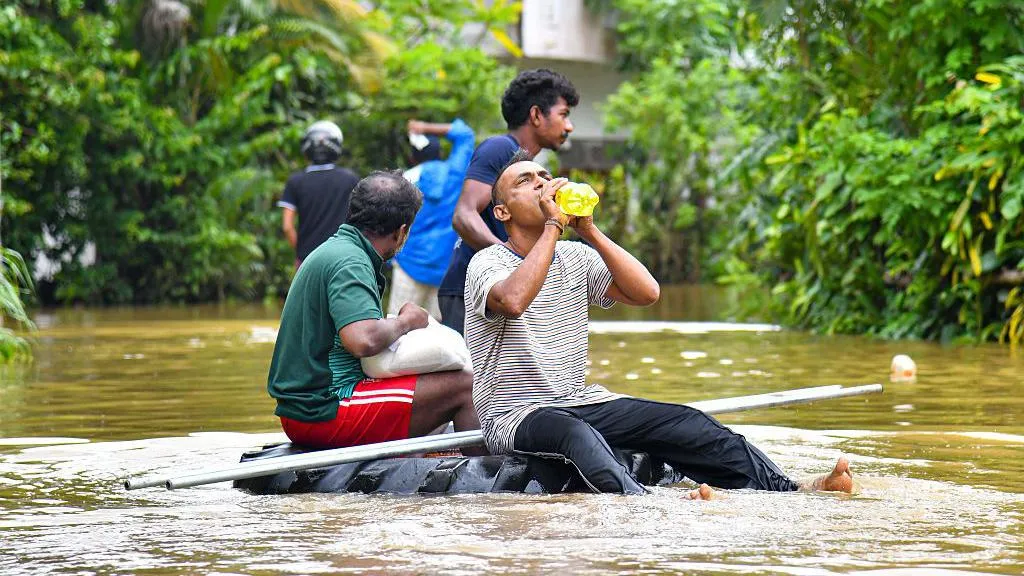
In less than 48 hours, heavy rainfall, flooding, and infrastructure failures disrupted transport networks, power supply, agriculture, fisheries, and small enterprises. Relief operations are still underway, but the real economic test lies ahead, rebuilding in a way that strengthens resilience rather than repeating past vulnerabilities.
This analysis looks at the cyclone’s economic impact, the sectors most affected, and the structural reforms and investments required for a durable recovery.
Infrastructure Damage: The Most Expensive Part of Recovery
Sri Lanka’s urban and rural infrastructure remains fragile. The cyclone exposed several long-standing weak points:
Flood-prone road networks caused transport paralysis across multiple districts. Blocked highways delayed supply chains and slowed down emergency responses.
Aging bridges and culverts failed under heavy water pressure, creating bottlenecks for logistics.
Power cuts hit industrial zones, halting production and raising costs for factories that relied on generators.
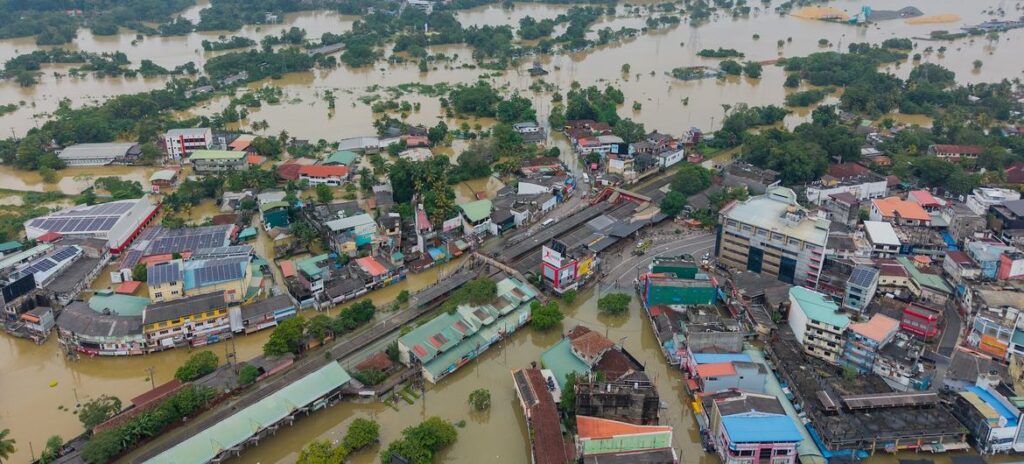
Drainage failures in major cities led to prolonged urban flooding that damaged shops, offices, and households.
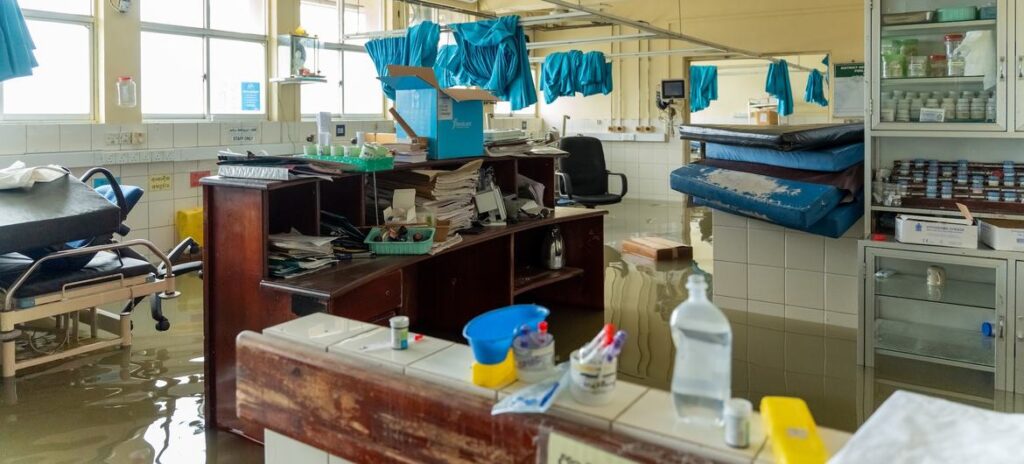
Infrastructure repairs will likely form the largest portion of the recovery bill. What is needed now is not just replacement, but resilient design standards, including elevated road sections, modern storm-water systems, and decentralised power resilience.
Agriculture and Fisheries: The Fastest But Most Vulnerable Sectors
The cyclone’s impact on food-producing regions is already visible:
- Paddy fields in low-lying zones experienced heavy losses.
- Vegetable cultivation in the hill country and wet zones suffered soil erosion.
- Fishermen lost large sums due to days without sailing, damaged equipment, and destroyed small harbours.
These disruptions will push short-term food inflation upward. The solution is two-fold:
- Capital support for farmers to replant quickly.
- Insurance schemes for climate events, which Sri Lanka has talked about for years but never implemented properly.
- A climate-smart agriculture strategy is no longer optional; it is an economic necessity.
MSMEs: The Most Exposed Businesses in Every Disaster
Micro, small, and medium enterprises took a disproportionate hit:
- Many operate in ground-floor spaces prone to flooding.
- Most lack insurance coverage.
- Working capital evaporates quickly because revenue stops but expenses continue.
- Service-sector businesses salons, garages, cafes, repair shops, small retailers face long downtime after water damage.
The immediate need is targeted credit, not generic loan schemes.
What works in disaster-hit economies globally?
- Interest-subsidised working-capital loans
- Short grace periods
- Fast-track approvals
- Digitised claim assessments
Banks will play a crucial role, but the government must ensure liquidity support and simplified processes.
Tourism: A Sector That Can Recover Fast, With Proper Messaging
Cyclones create negative perception even when damage is localised. Tourist cancellations rise quickly if communication is weak. Sri Lanka needs:
- Rapid restoration of affected coastal areas and beach access.
- Accurate international updates emphasising which regions are safe.
- Support for small tourism operators homestays, boat services, guides who lose bookings immediately after storms.
Tourism can rebound within weeks if the narrative is managed correctly, but if not, the losses spill into the next season.
The Real Economic Cost: Productivity Loss
Beyond physical damage, the cyclone imposed a major productivity shock:
- Office shutdowns
- School closures
- Delayed shipments
- Offline SMEs
- Halts in construction and manufacturing
- Labour absenteeism due to flooding
- High fuel use during prolonged power cuts
These hidden costs often exceed the visible damage.
Sri Lanka’s public and private sectors need resilience protocols – remote-work readiness, energy backup plans, digital service continuity, and risk-aware scheduling.
Insurance Gaps: A System That Fails Businesses When They Need It Most
Sri Lanka’s insurance penetration remains extremely low. Most households, SMEs, and even some medium-sized companies are uninsured or underinsured. After each disaster, the same cycle repeats:
- Heavy losses
- Slow claims
- Capital shortages
- Long recovery periods
The cyclone should push insurers and policymakers to develop:
- Parametric insurance (quick payouts triggered by rainfall/wind thresholds)
- Low-cost SME disaster policies
- Agricultural crop and livestock insurance
- Compulsory coverage for high-risk commercial zones
A modern insurance ecosystem reduces the fiscal burden on the government and speeds up recovery for businesses.
Foreign Aid & Donor Funding: A Necessary Support, But Not the Main Strategy
Donor agencies will assist, but relying on external funds slows resilience building. Aid should be channelled towards:
- Drainage and flood-control projects
- Technical assistance for resilient urban planning
- Upgrading meteorological forecasting capacity
- SME support programmes
The long-term strategy must focus on domestic planning and private-sector involvement.
Climate-Adapted Urban Planning: The Missing Piece
Sri Lanka’s urban expansion has outpaced its drainage and disaster-preparedness systems. The cyclone revealed:
- Inefficient land-use decisions
- Illegal construction blocking waterways
- Outdated stormwater maps
- Lack of retention ponds
- Weak municipal enforcement
Economic recovery requires structural reforms in:
- Urban zoning laws
- Drainage capacity upgrades
- Ecosystem-based flood management (wetlands, mangroves)
- Mandatory resilient building codes
Without this, every future cyclone becomes another multi-billion-rupee setback.
Private Sector Engagement: Not Just CSR, Real Investment
The corporate sector can accelerate recovery through:
- Infrastructure partnerships
- Logistics support for relief
- Telecom and digital platforms enabling real-time disaster response
- Employer-backed emergency funds
- Investments in renewable and decentralised power
- SME vendor support programmes
CSR alone is not enough. What Sri Lanka needs is public-private climate resilience partnerships.
Conclusion: Rebuilding Must Be Smarter, Not Just Faster
The cyclone exposed vulnerabilities but also gave Sri Lanka a blueprint for what must change. Economic recovery requires:
- Resilient infrastructure
- Stronger agriculture and fisheries protection
- SME-focused financial support
- A reformed insurance ecosystem
- Transparent, fast communication for tourism
- Climate-adapted urban planning
- Active private-sector participation
Sri Lanka cannot afford to rebuild the same weaknesses again.
This cyclone should be the turning point, where recovery becomes the moment the country invests in resilience, competitiveness, and long-term economic stability.
Lanka Biz News covers the intersection of innovation, investment, and impact in Sri Lanka’s dynamic business landscape. Follow us for more on emerging sectors shaping the island’s future.