
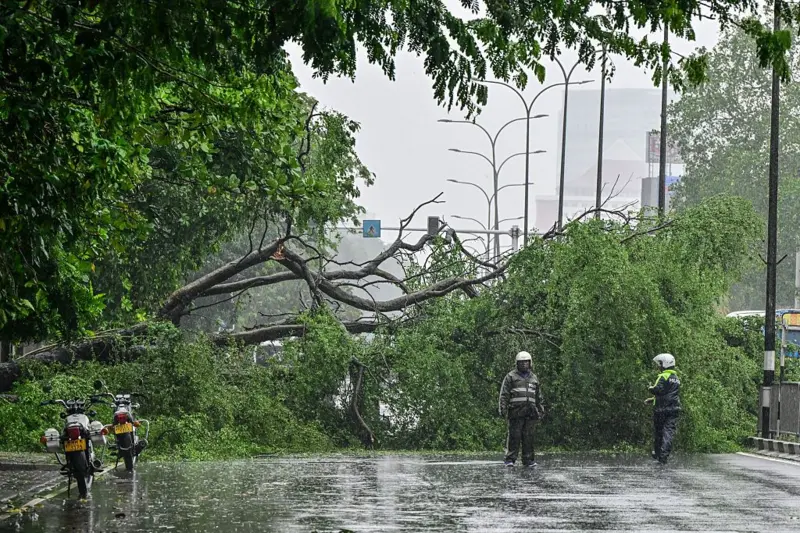
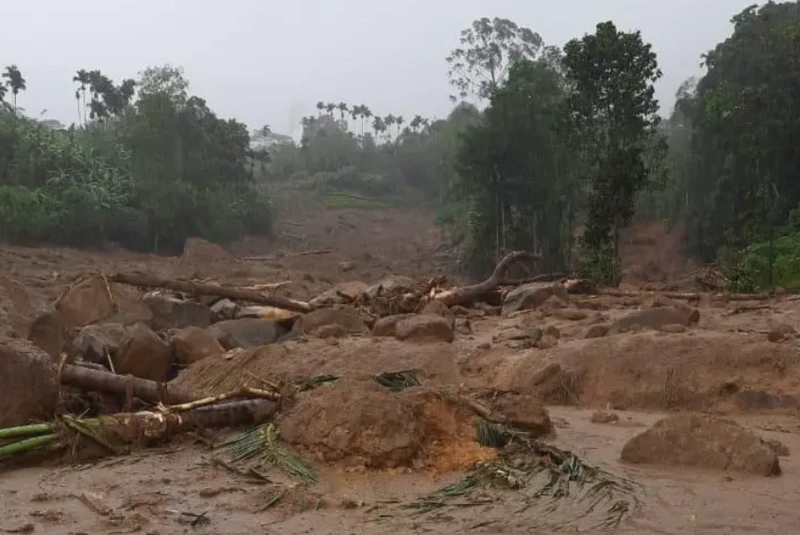
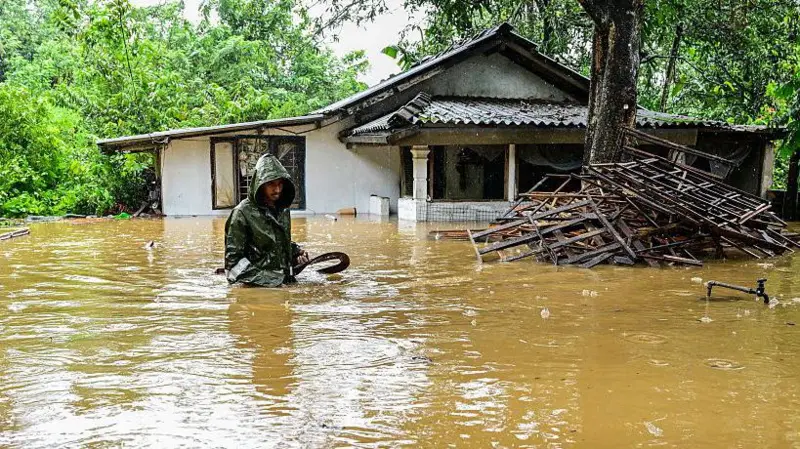
From Sri Lanka’s floods to landslides in Vietnam, cyclones in the Bay of Bengal, and severe inundations across Thailand, Malaysia, and Indonesia, Asia is under disaster pressure in 2025. Communities across the region are struggling to balance human safety with economic survival.
The lesson is clear! While nature eventually stabilises, infrastructure, livelihoods, and businesses do not automatically recover. Roads remain broken, farms destroyed, and supply chains disrupted long after the rains stop.
For citizens, this means prioritising safety above all else. For businesses and policymakers, it means adopting resilience strategies that treat disasters as structural challenges, not temporary interruptions.
Public Safety Before Business
Disasters are first and foremost human crises. Families lose homes, children lose access to education, and communities face shortages of food, clean water, and medical care.
- Immediate priority: evacuation, shelter, and healthcare.
- Community support: businesses must contribute to relief efforts through donations, logistics, and employee volunteer programs.
- Government role: ensure rapid disaster response, transparent relief distribution, and coordination with NGOs.
Without protecting people, there is no workforce, no consumer base, and no economy to rebuild.
Infrastructure Doesn’t Bounce Back Automatically
Even after floodwaters recede or cyclone winds die down, infrastructure damage lingers:
- Transport: damaged highways, ports, and airports slow down logistics and trade.
- Agriculture: submerged fields reduce yields for months, affecting food security and rural incomes.
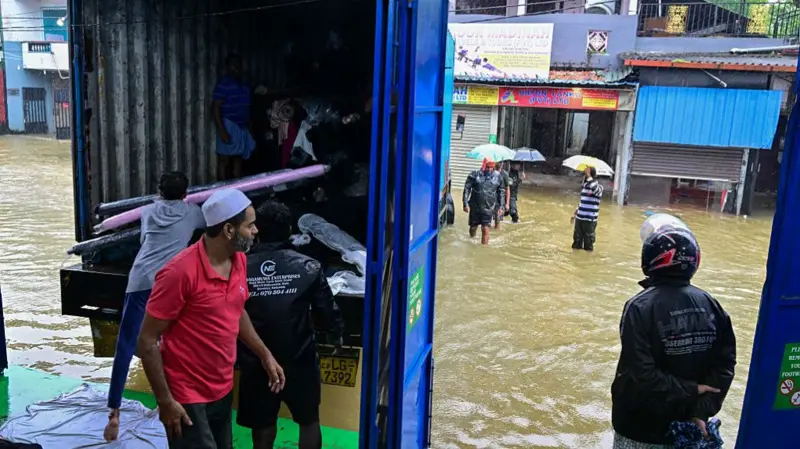
- Warehouses and factories: water damage destroys stock, machinery, and supply chains.
- Utilities: power outages and communication breakdowns delay recovery.
Unlike nature, which heals itself, infrastructure requires deliberate investment and planning. Businesses and governments across Asia must accept that “back to normal” is not automatic it requires capital, policy support, and resilience strategies.
Learning from Past Crises
Sri Lanka’s economic collapse in 2022–2023 showed how fragile systems can be. Across Asia, the COVID‑19 pandemic revealed similar vulnerabilities. The lesson is universal: crises demand discipline, not denial.
- Liquidity buffers: firms must preserve cash to survive shocks.
- Risk awareness: ignoring vulnerabilities deepens losses. Climate risk is as real as financial risk.
- Resilience mindset: companies that adapt quickly shifting supply chains, digitalising operations are the ones that survive.
Disasters are not anomalies; they are recurring realities. Treating them with the same seriousness as debt restructuring or pandemic planning is essential.
Practical Steps for Businesses in Asia
- Emergency Protocols – Train employees on evacuation, first aid, and disaster response. Safety drills should be as routine as financial audits.
- Digital Continuity – Floods and cyclones disrupt physical offices. Cloud systems, remote work setups, and digital customer service ensure operations don’t collapse.
- Agriculture and Supply Chain Resilience – Invest in flood‑resistant crops, diversified sourcing, and storage facilities. Agribusinesses and manufacturers must adopt climate‑smart practices to reduce vulnerability.
- Financial Buffers – Maintain liquidity reserves and diversify revenue streams. Just as firms prepared for currency volatility, they must now prepare for climate volatility.
- Insurance and Risk Management – Flood and disaster coverage are no longer optional. SMEs and corporates must integrate climate risk into financial planning.
The Citizen Perspective
For ordinary people across Asia, disasters are not just about disrupted transport or delayed exports. They are about:
- Household safety: ensuring family members are protected before worrying about jobs or income.
- Community solidarity: neighbours helping neighbours, businesses supporting relief, and citizens volunteering.
- Awareness: recognising that while nature heals quickly, economic scars last longer.
Citizens everywhere must demand accountability from businesses and policymakers to ensure long‑term resilience is prioritised, not just short‑term relief.
Conclusion: Safety First, Strategy Next
The disasters of 2025; floods, cyclones, landslides are reminders that nature may return to normal, but infrastructure and livelihoods do not. Businesses, policymakers, and citizens across Asia must treat disasters as structural challenges, not temporary inconveniences.
- Safety comes first – protect lives before profits.
- Infrastructure requires deliberate rebuilding – roads, farms, and factories don’t heal themselves.
- Resilience must be learned from past crises – whether economic collapse, pandemics, or climate shocks.
- Practical steps matter – emergency protocols, digital continuity, agriculture resilience, financial buffers, and insurance are the new essentials.
For citizens, the takeaway is simple, prepare for the challenge, demand accountability, and prioritise safety. For businesses, the message is urgent, adapt now, or risk being swept away by the next disaster.
Lanka Biz News covers the intersection of innovation, investment, and impact in Sri Lanka’s dynamic business landscape. Follow us for more on emerging sectors shaping the island’s future.